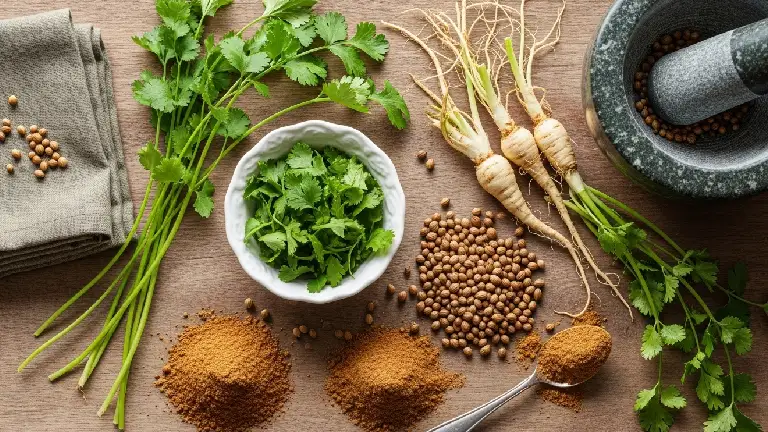
Koriandri, known as coriander in English, is a herb that has captivated the culinary world for centuries. Widely used in many cuisines, koriandri offers a distinct flavor that enhances a variety of dishes. From Indian curries to Mediterranean salads, the herb’s seeds and leaves have become an integral part of global culinary traditions. Beyond its delicious taste, koriandri also offers numerous health benefits, making it a valuable addition to any diet.
In this article, we explore the history, uses, and health benefits of koriandri, shedding light on why it continues to be an essential herb in kitchens worldwide.
What Is Koriandri?
Koriandri refers to the plant Coriandrum sativum, which is commonly known as coriander. This herb is native to regions in Europe, Asia, and North Africa, though it is now cultivated around the world. Koriandri is a versatile herb, with both its leaves and seeds used in cooking. The plant’s leaves are known as cilantro in many parts of the world, particularly in the Americas, while the seeds are referred to as coriander seeds or koriandri seeds in India and other parts of Asia.
The plant itself grows to about 2 feet tall and produces small white or pink flowers that eventually yield the aromatic seeds. These seeds, when dried, have a warm, citrusy flavor, and the fresh leaves have a bright, tangy taste that is often described as refreshing and zesty.
Culinary Uses of Koriandri
The distinct flavors of koriandri make it a staple in kitchens across the world. Its leaves, known as cilantro in many regions, are often used as a garnish or ingredient in fresh dishes, while its seeds are commonly ground into a powder and added to a variety of cooked dishes.
1. Fresh Leaves (Cilantro)
In Indian cuisine, koriandri leaves are a key ingredient in various dishes, from chutneys and curries to rice dishes. The leaves add a refreshing and slightly peppery flavor to foods, often used as a garnish to bring balance to rich or spicy curries. The leaves are also incorporated into salads, salsas, and marinades, contributing their bright, herbal flavor.
2. Ground Seeds
The dried seeds of koriandri have a warm, citrusy flavor with a hint of nuttiness. They are commonly used in spice blends, such as garam masala, and in the preparation of Indian curries and stews. Ground coriander is an essential spice in many traditional dishes, providing depth and a mild heat to both vegetarian and meat-based recipes.
3. Flavoring Beverages
In some cultures, koriandri seeds are used in beverages such as teas or infusions. The seeds are believed to aid digestion and promote a sense of calm, making them a popular addition to herbal teas in various parts of the world.
Health Benefits of Koriandri
Koriandri is not only loved for its unique flavor but also for its numerous health benefits. The herb has been used for centuries in traditional medicine, particularly in Indian Ayurvedic practices, for its healing properties. Some of the notable health benefits include:
1. Digestive Health
One of the most well-known benefits of koriandri is its ability to promote healthy digestion. Both the leaves and seeds are thought to have digestive properties, helping alleviate bloating, indigestion, and flatulence. Drinking koriandri tea or adding it to meals can stimulate the production of digestive enzymes and ease stomach discomfort.
2. Rich in Antioxidants
Koriandri contains powerful antioxidants that help combat oxidative stress and protect the body from harmful free radicals. The essential oils found in the herb, particularly in the seeds, are known to have anti-inflammatory and antimicrobial properties, contributing to overall wellness and immune system support.
3. Blood Sugar Control
Emerging research suggests that koriandri may help lower blood sugar levels. Some studies have shown that coriander seeds can help regulate blood sugar by improving insulin sensitivity, making it a potentially beneficial herb for individuals with diabetes or those looking to manage their blood sugar levels.
4. Detoxification
Koriandri is also known for its detoxifying properties. The herb has been used in traditional medicine to cleanse the body by flushing out toxins and heavy metals. Consuming koriandri regularly may support kidney function and promote detoxification, making it an excellent herb for those interested in maintaining a healthy lifestyle.
Cultural Significance of Koriandri
Koriandri holds a deep cultural significance, especially in Indian and Middle Eastern cuisines. In India, the herb is an essential part of the cooking repertoire, with both the leaves and seeds being used in everyday dishes. It plays a role in festivals, religious rituals, and celebrations, symbolizing hospitality and the richness of Indian culinary traditions.
In the Middle East, koriandri is a key ingredient in many spice blends, such as baharat, and is used in dishes like stews, soups, and salads. It’s also used in Mediterranean cuisines, where it complements fresh vegetables, meats, and grains.
Growing Koriandri at Home
Growing koriandri at home is relatively easy, as long as you have access to a sunny spot and well-draining soil. The plant grows quickly, and you can harvest the leaves in as little as three to four weeks after planting. If you’re interested in cultivating koriandri in your garden or on a windowsill, it’s best to sow the seeds directly into the soil, as the plant doesn’t transplant well. Once it starts to grow, you can snip the leaves as needed and enjoy fresh koriandri year-round.
If you want to harvest the seeds, you’ll need to allow the plant to flower and go to seed. The seeds can be collected when they turn brown and are then dried for later use.
Conclusion: The Timeless Appeal of Koriandri
Whether you’re cooking a flavorful curry, crafting a fresh salsa, or enjoying a cup of herbal tea, koriandri adds a unique and essential element to your kitchen. From its fresh, vibrant leaves to its aromatic seeds, this herb offers an array of culinary possibilities and health benefits. Its ability to enhance the flavor of dishes, while providing numerous medicinal properties, makes koriandri an indispensable herb in both traditional and modern kitchens worldwide.
Incorporating koriandri into your meals not only adds depth and complexity to your cooking but also offers a natural way to support your digestive health, detoxify your body, and improve your overall well-being. Whether you’re a seasoned chef or a novice cook, koriandri is a herb worth exploring in your culinary adventures.
FAQs About Koriandri
1. What is koriandri?
Koriandri is the Indian name for coriander, a herb used in cooking both for its fresh leaves (cilantro) and its dried seeds.
2. What are the health benefits of koriandri?
Koriandri aids in digestion, has antioxidant properties, may help regulate blood sugar, and is believed to support detoxification.
3. How is koriandri used in cooking?
The leaves of koriandri are used as a garnish or ingredient in fresh dishes, while the seeds are ground into a powder for use in curries, spice blends, and stews.
4. Can I grow koriandri at home?
Yes, koriandri can be easily grown at home in sunny locations, and both the leaves and seeds can be harvested for culinary use.
5. What cuisines use koriandri?
Koriandri is widely used in Indian, Middle Eastern, and Mediterranean cuisines for flavoring a variety of dishes, from soups and stews to salads and curries.